Grid Glass brings together glass, colour, texture and metal in a single customisable architectural system. Each panel is designed and manufactured to order, allowing the material to respond directly to the architecture.
Kiln forming, engraving, frosting, colour, 3D printed texture and precision metal inlay can be combined to create a single architectural surface.
Designed for residential, commercial, hospitality and transport projects.
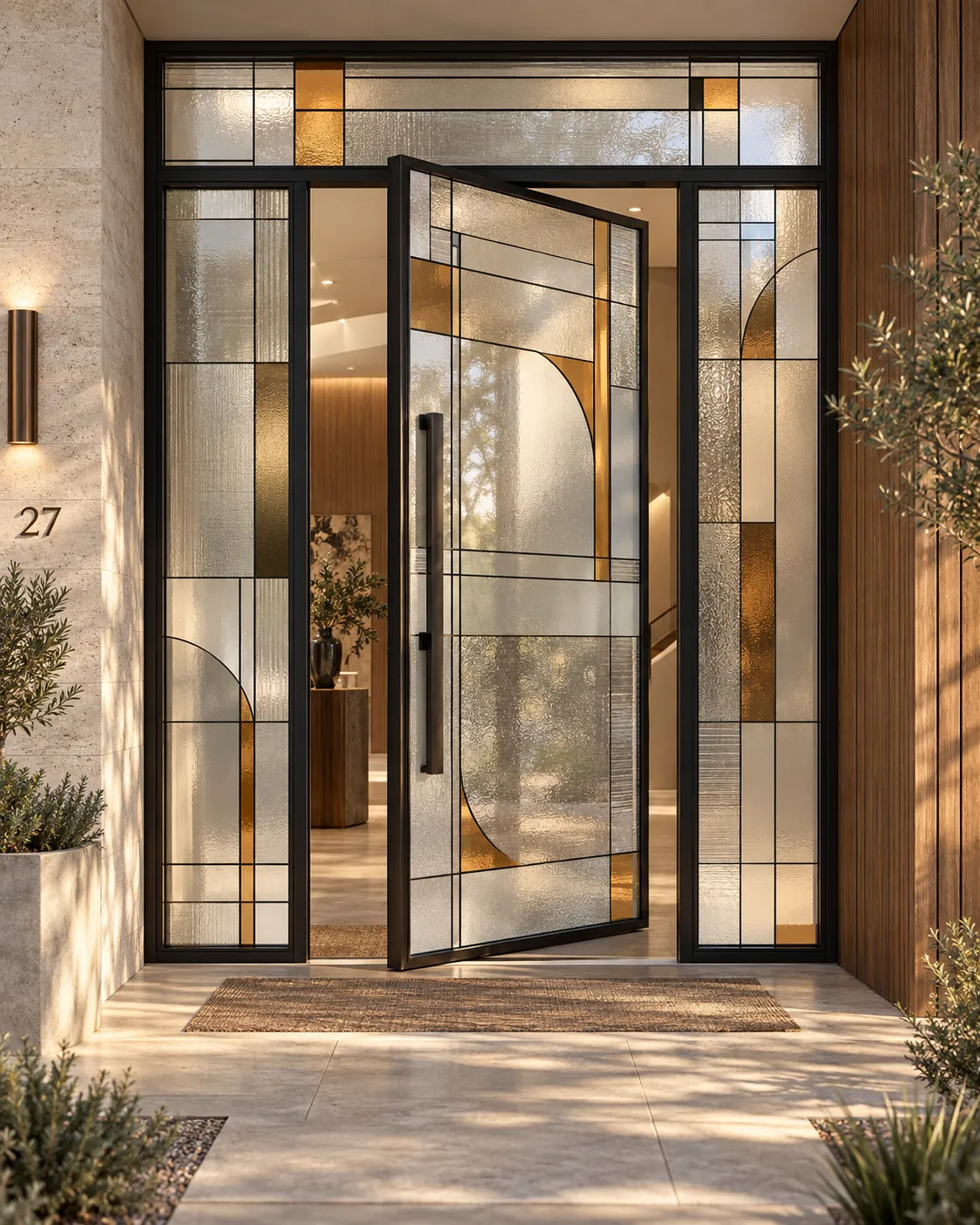 DOORS
DOORS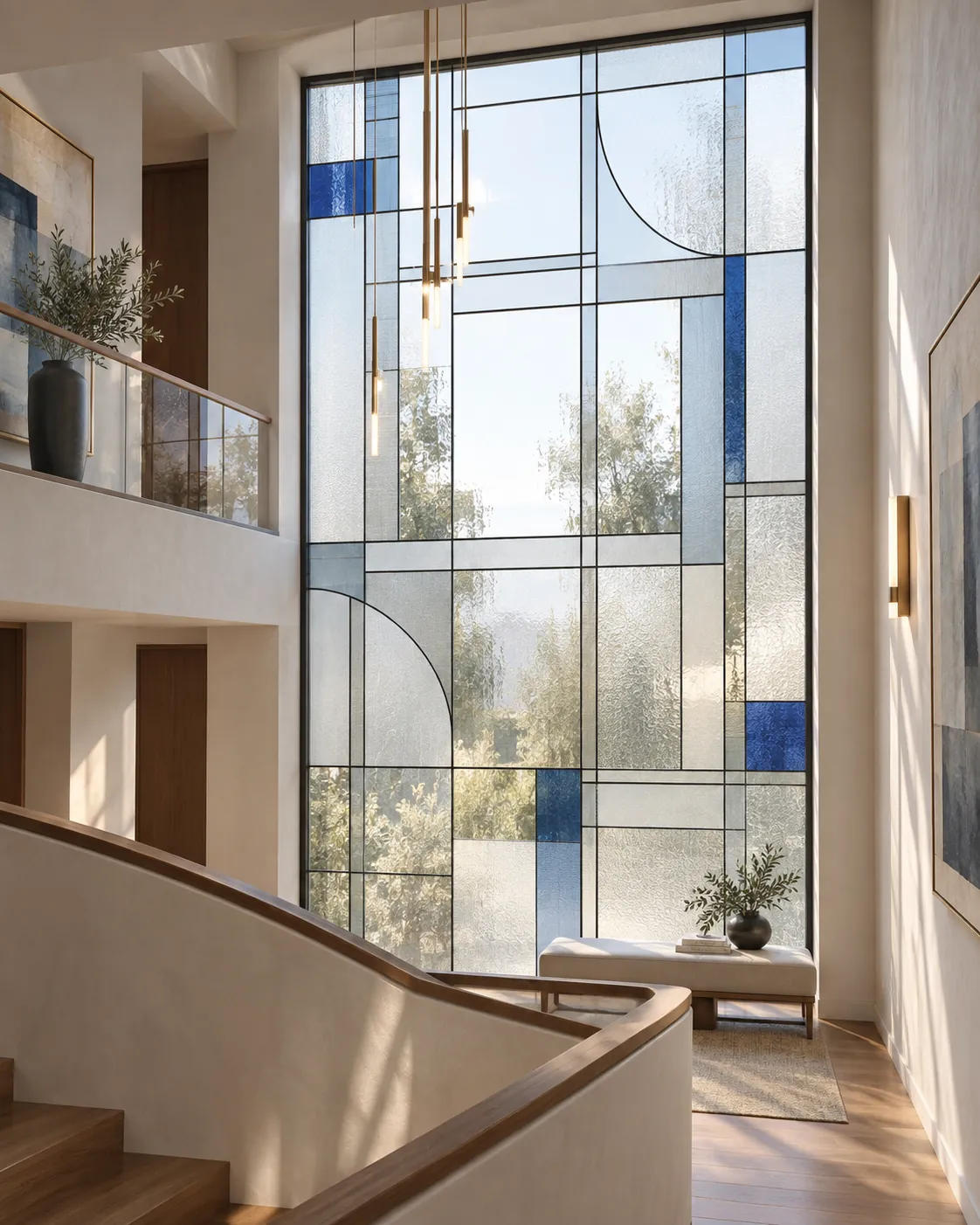 WINDOWS
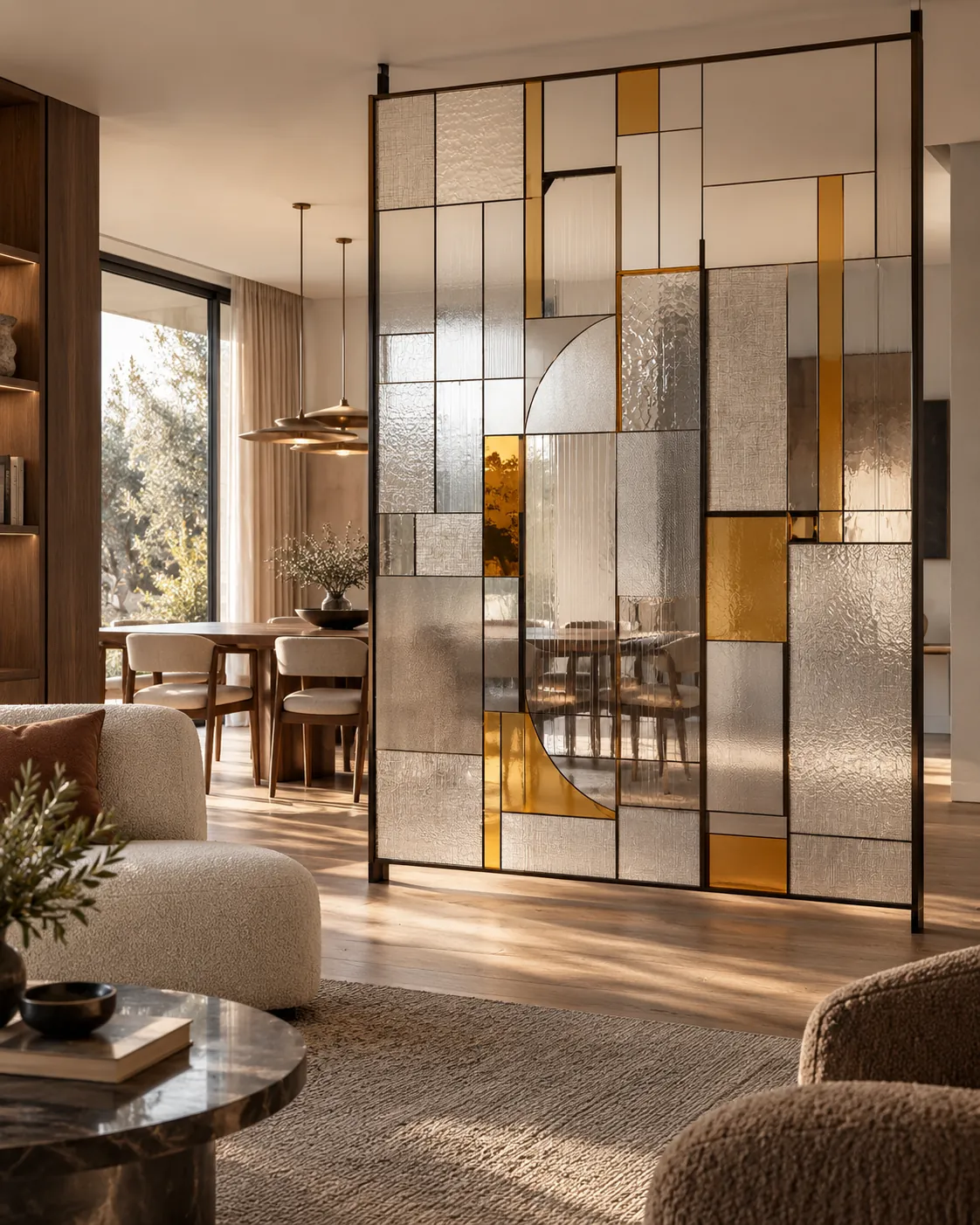 SCREENS
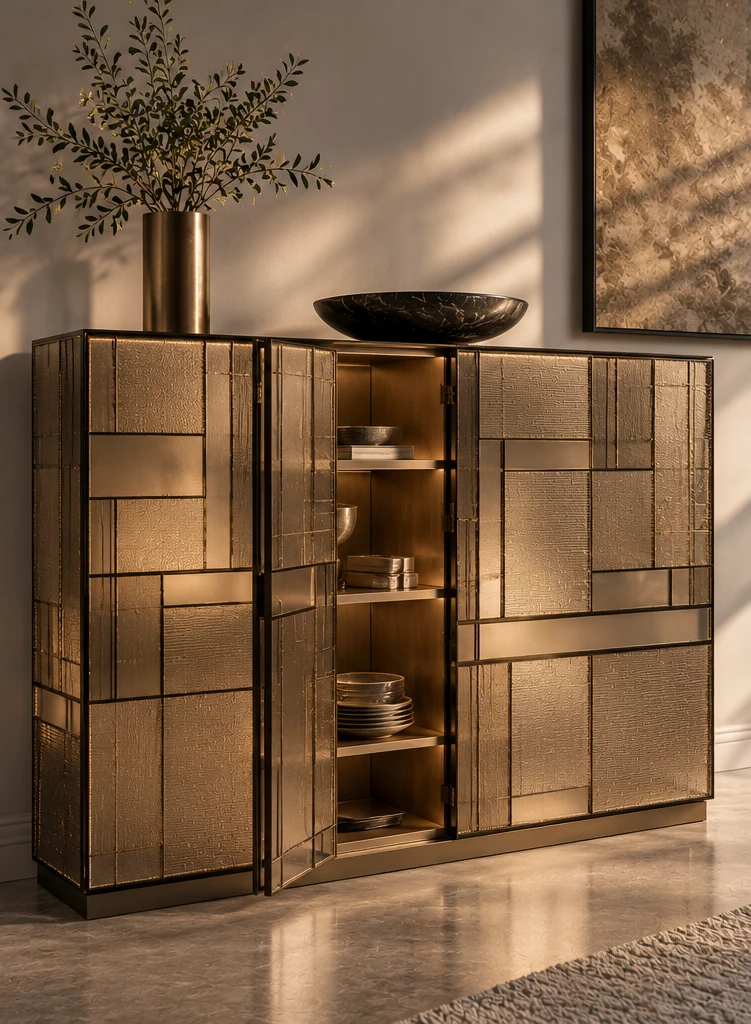 FURNITURE
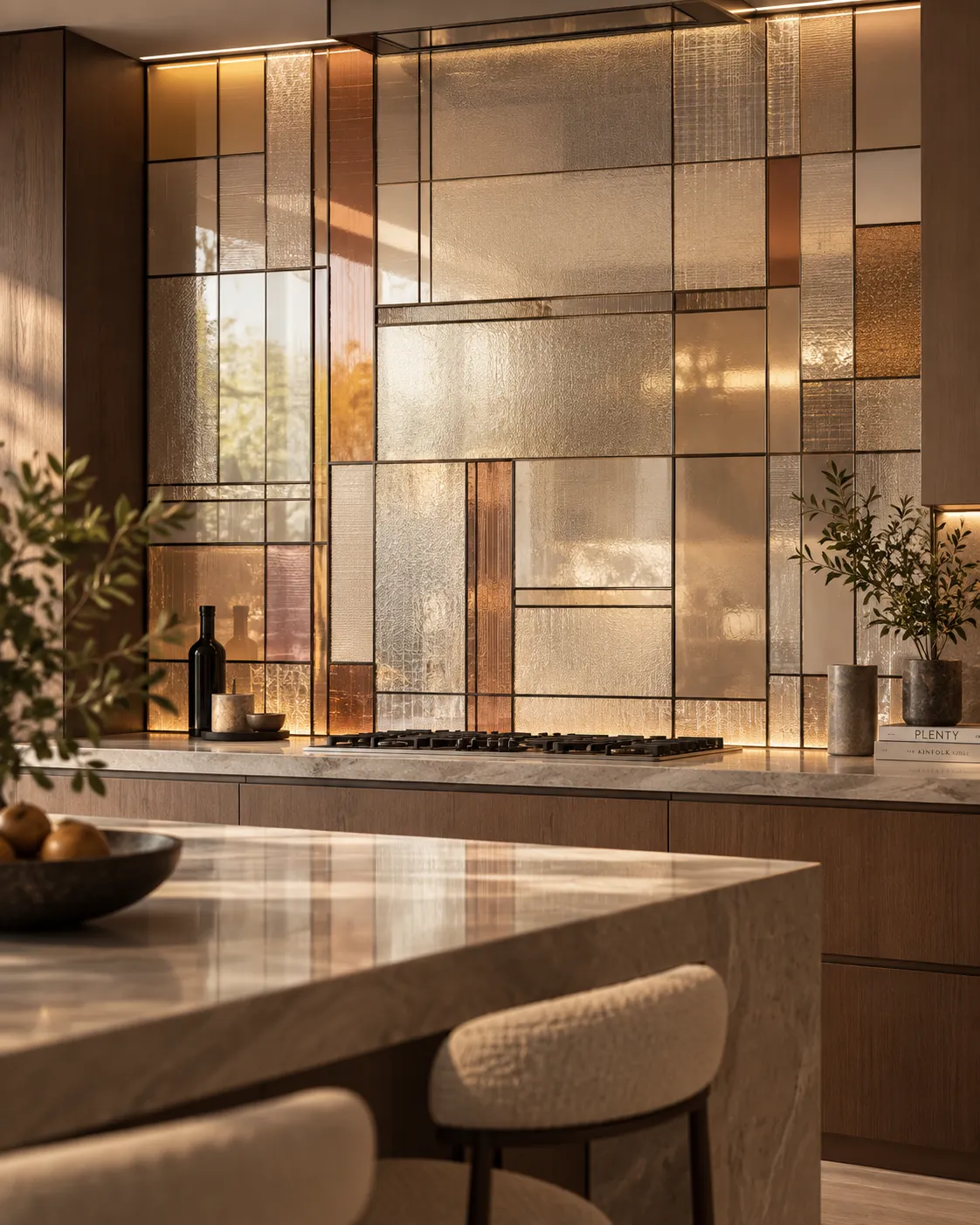 KITCHENS
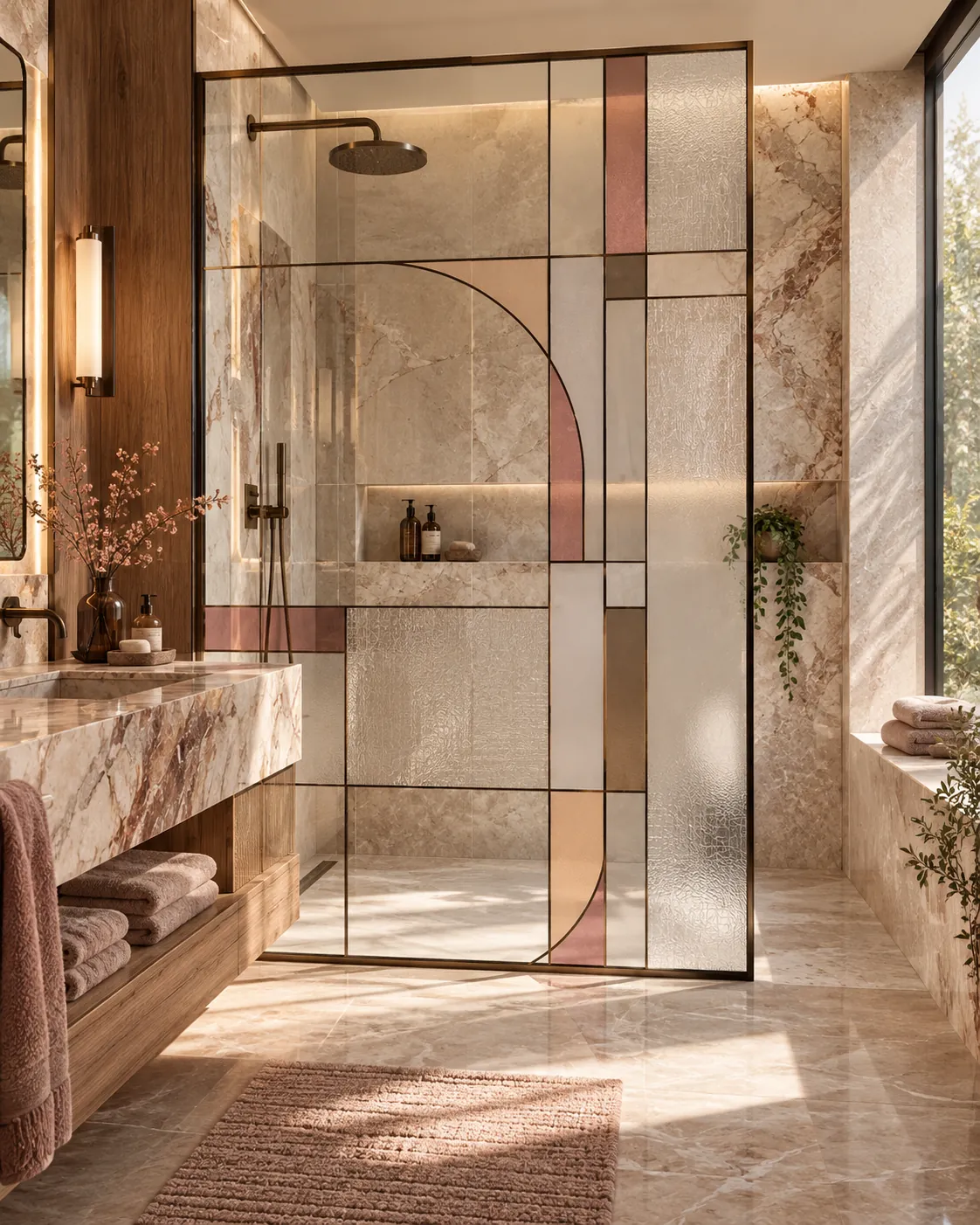 BATHROOMS
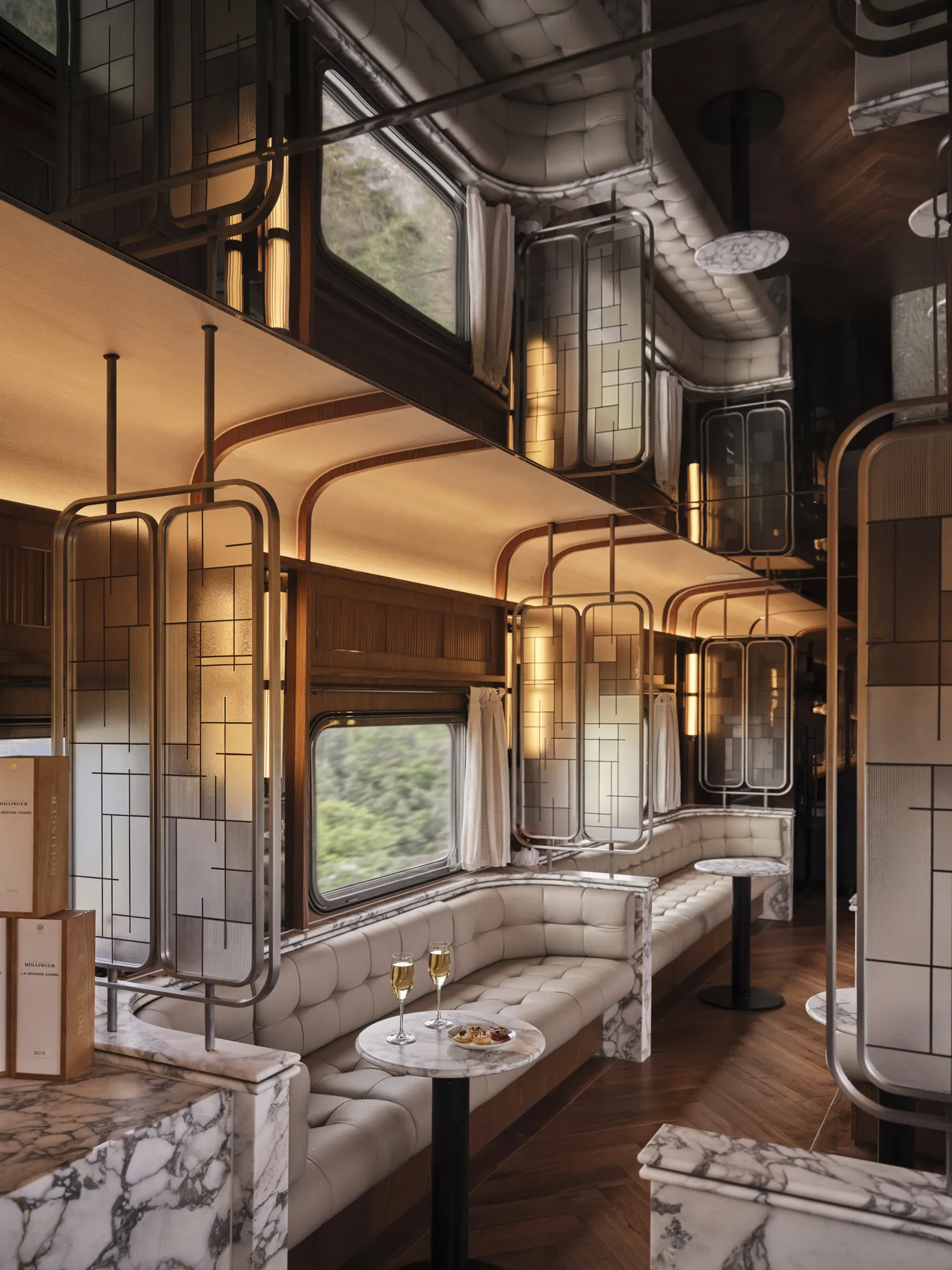 TRANSPORT
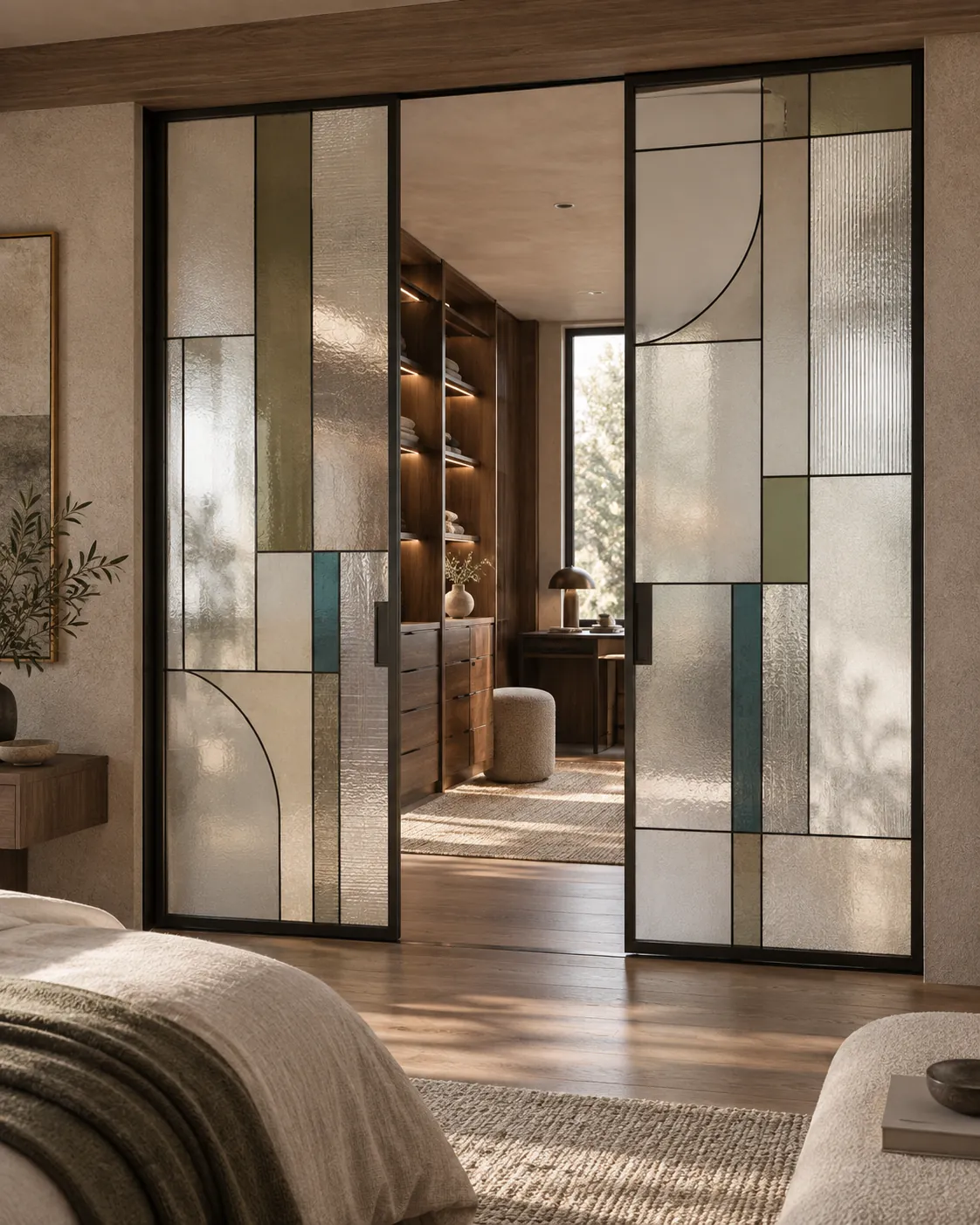 SLIDING
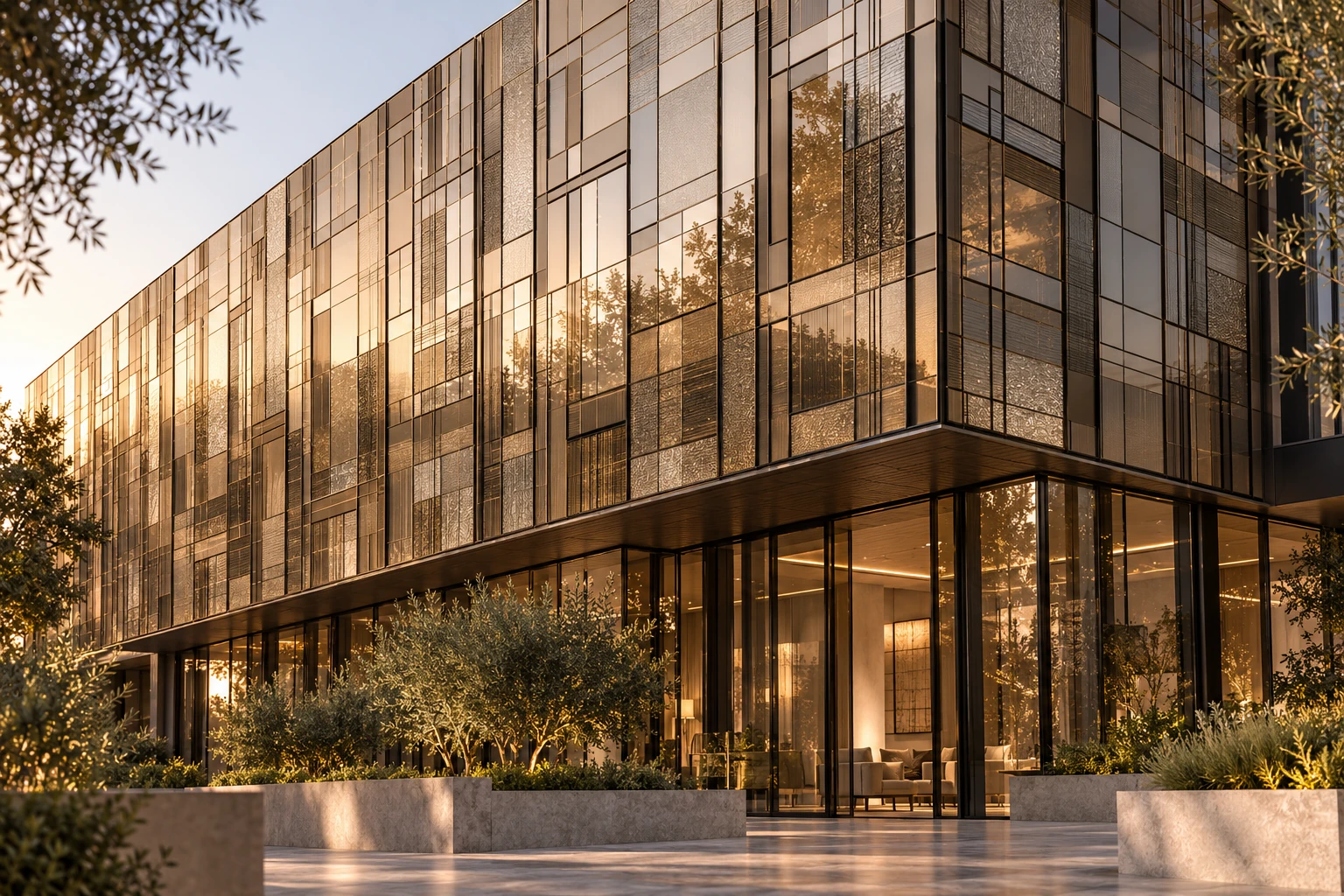 FACADES
Some application images are AI-generated visualisations and are indicative only; final colour, texture, transparency, pattern and appearance may vary.
Select an area of the Grid design, then choose its glass type, texture or colour. Set the overall panel size, metal finish and line width to explore combinations before detailed design development.
Templates are examples only. The Grid templates shown in the Visualiser demonstrate possible starting arrangements. Grid Glass is bespoke and virtually any pattern can be realised, subject to design and manufacturing requirements.
One glass type per panel. Clear, Low Iron, Bronze or Grey glass must be used consistently throughout a single panel.
Kiln forming applies to the entire panel. Choose either Faiba or No Zone; one kiln-formed texture is used consistently across the whole panel. Frosting, 3D printing, carving and colour can then be layered over the formed glass.
Colour on Clear and Low Iron glass. Any colour may be applied, including gradients.
Colour on Bronze and Grey glass. Applied colour is limited to black.
Colour purity. Clear glass contains natural iron oxide, which gives the glass a green cast and can influence applied colours. Low Iron glass is recommended where colour purity is important. Green tones can work particularly well with the natural green cast of Clear glass.
Layering processes. Applied colour can be combined with kiln forming, frosting and 3D printing.
Visualiser note. Patterns and textures are enlarged and not shown to scale so the balance of materials can be clearly seen on screen. The visualisation is indicative only and will not exactly replicate the finished glass. The manufactured Grid Glass will show greater detail, depth and material quality than can be represented in the Visualiser.
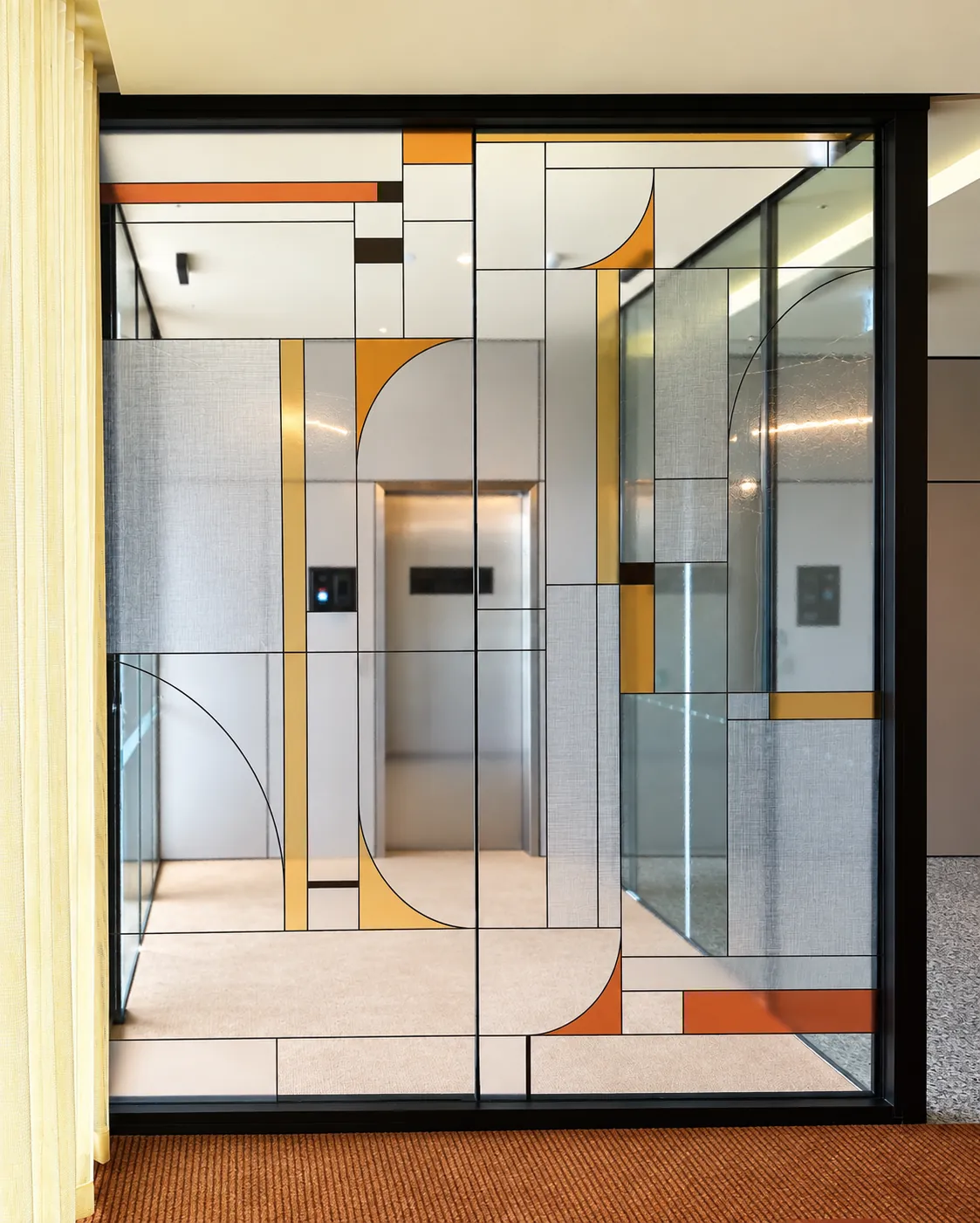
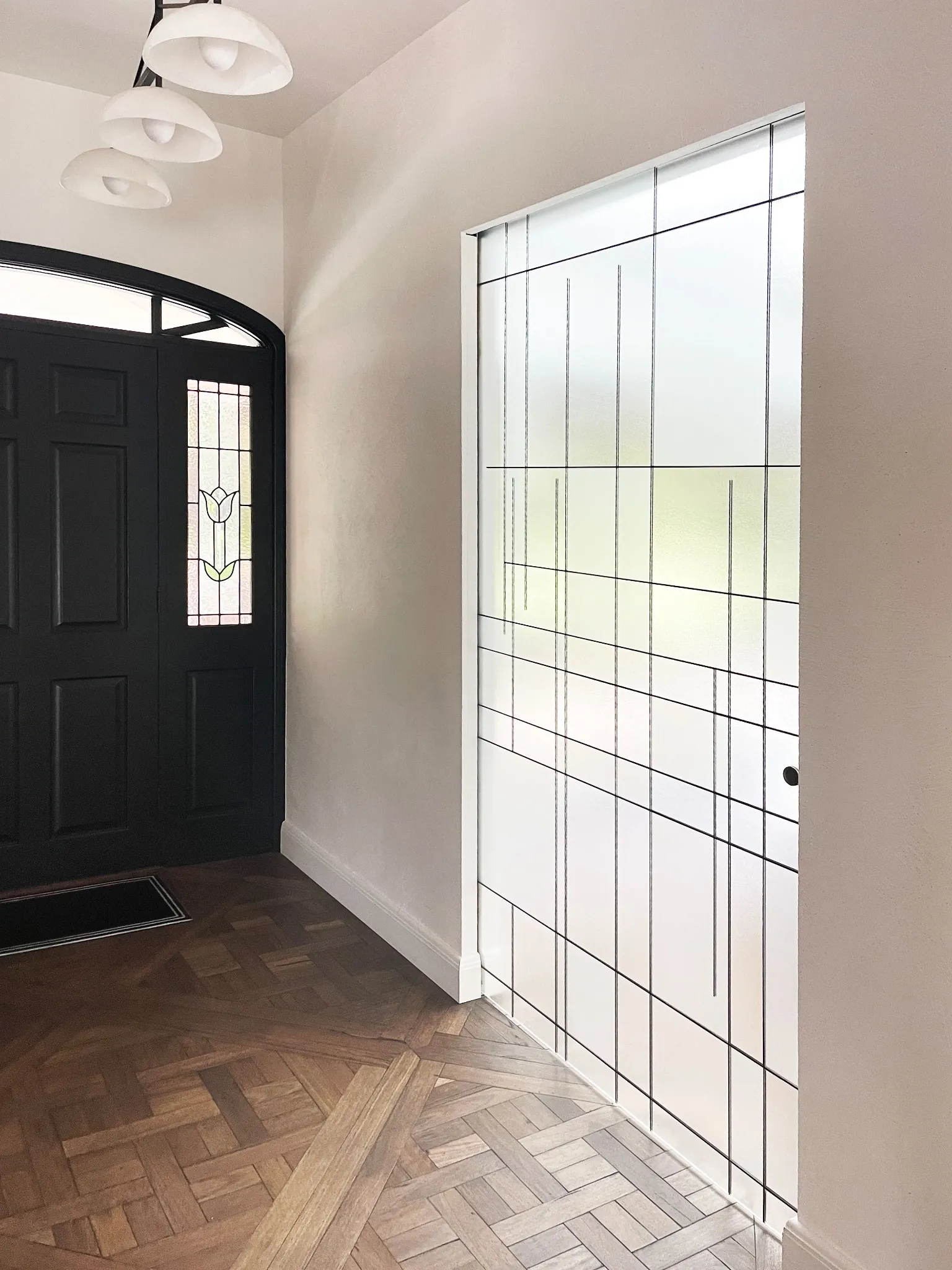
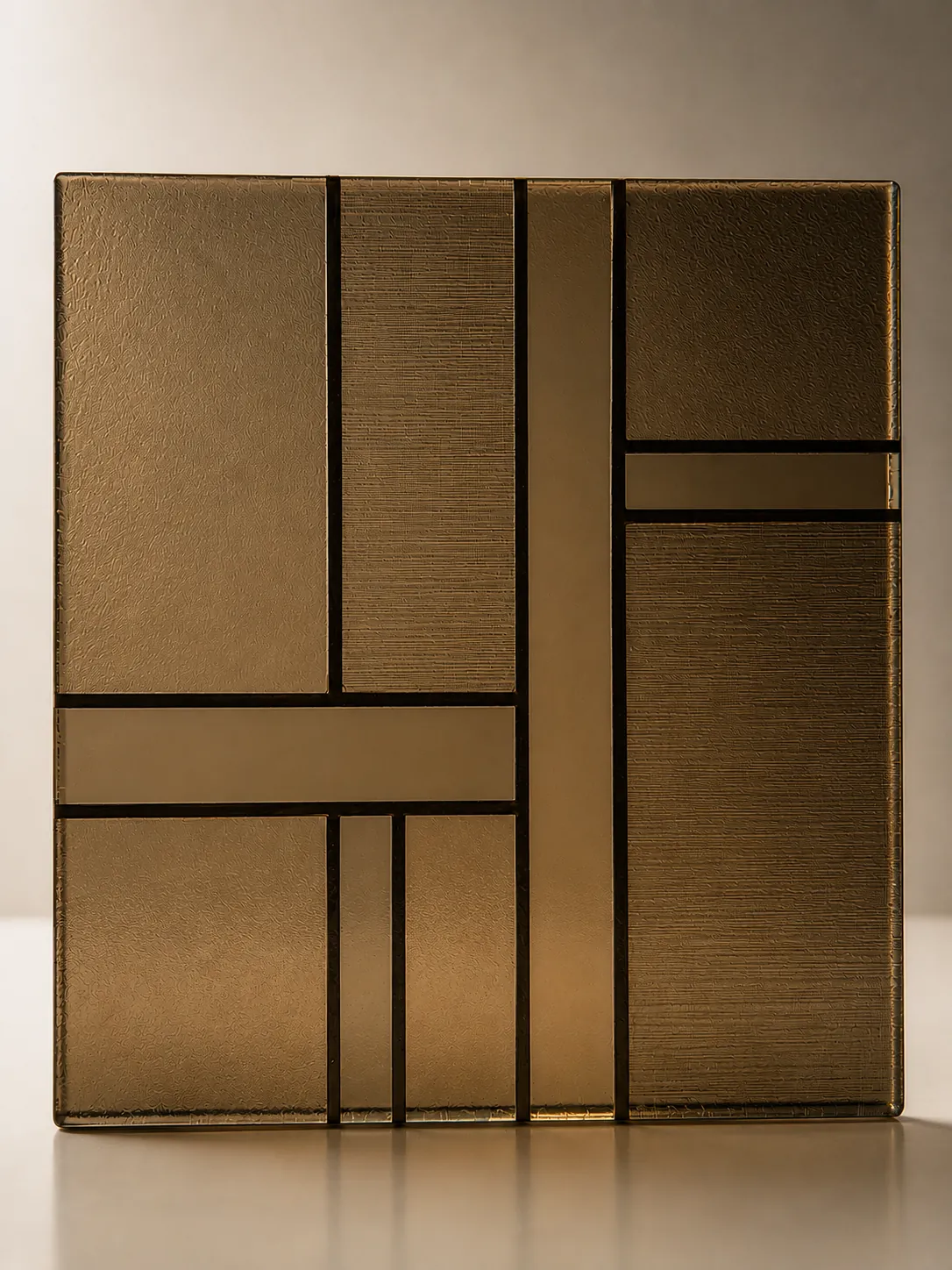
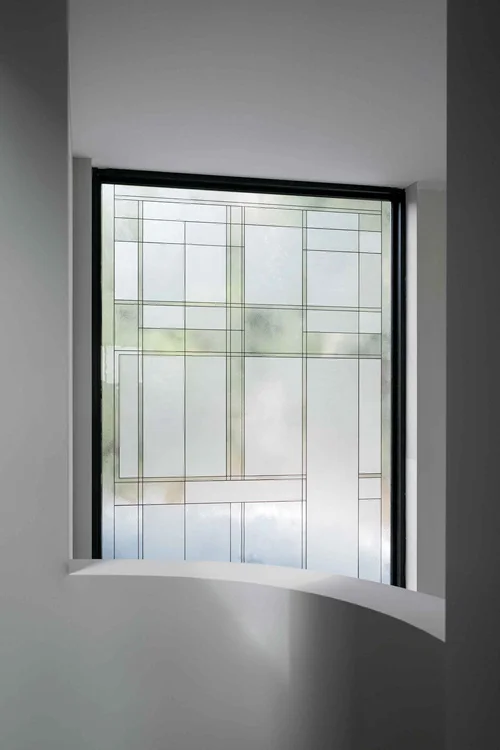
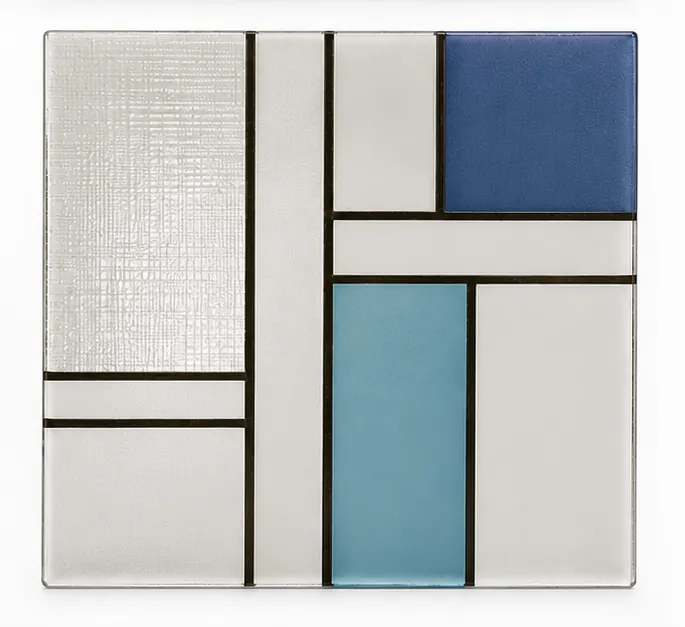
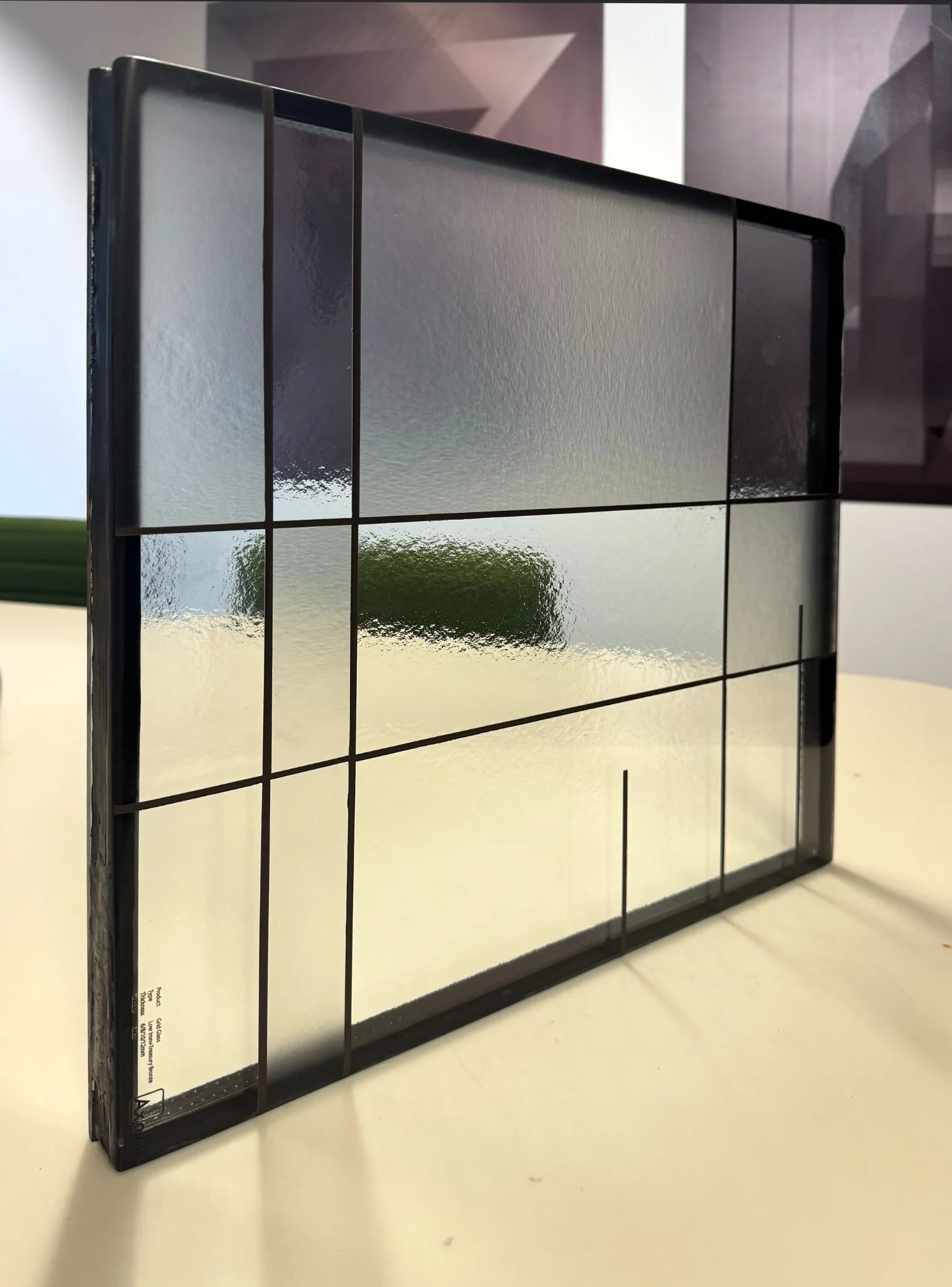
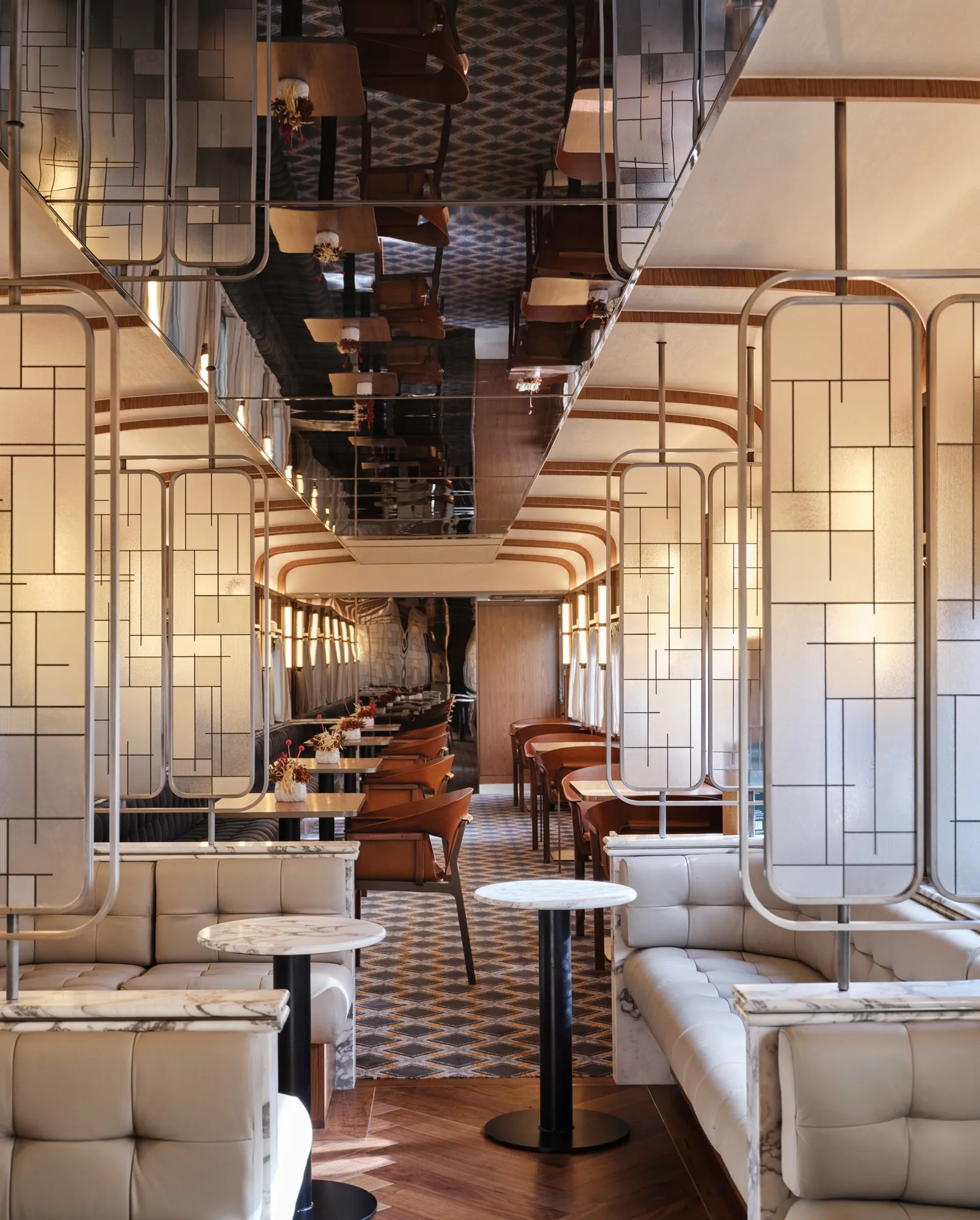
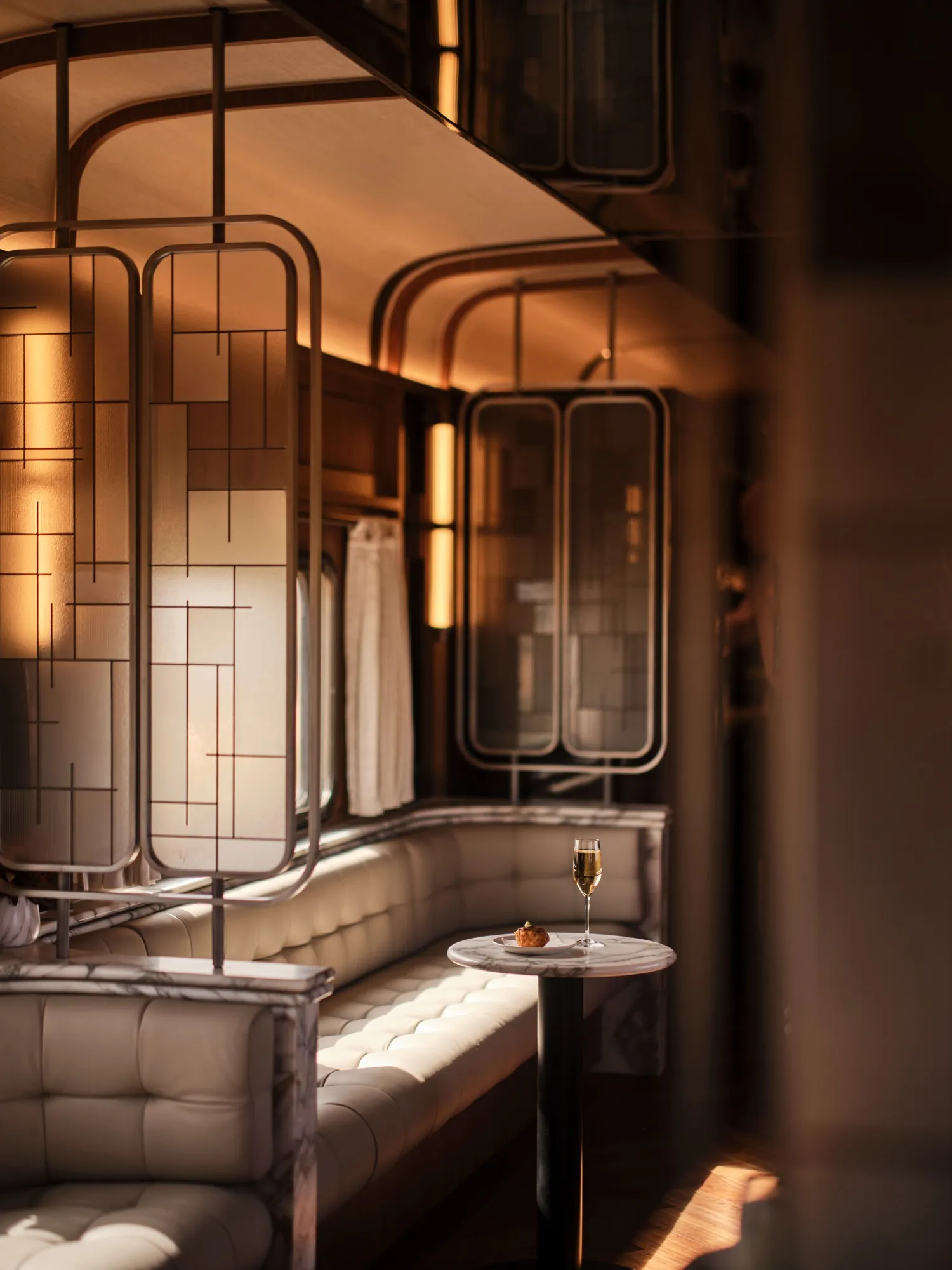
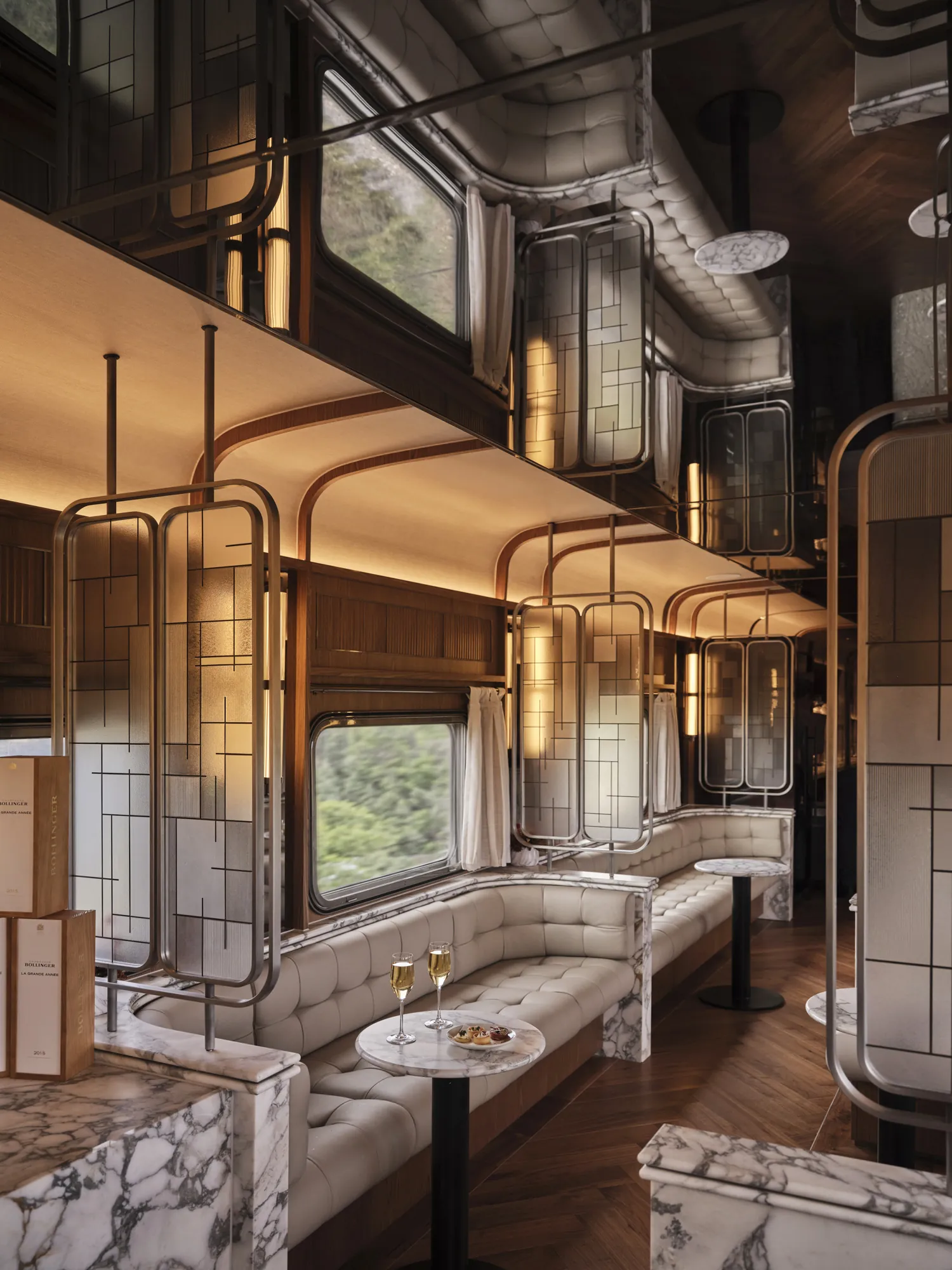
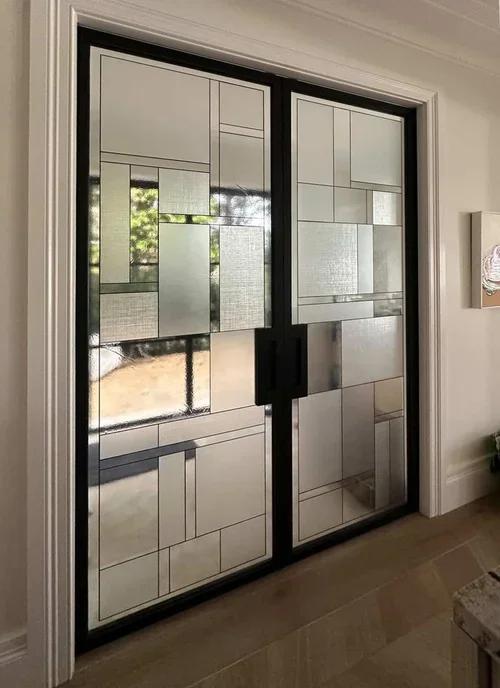
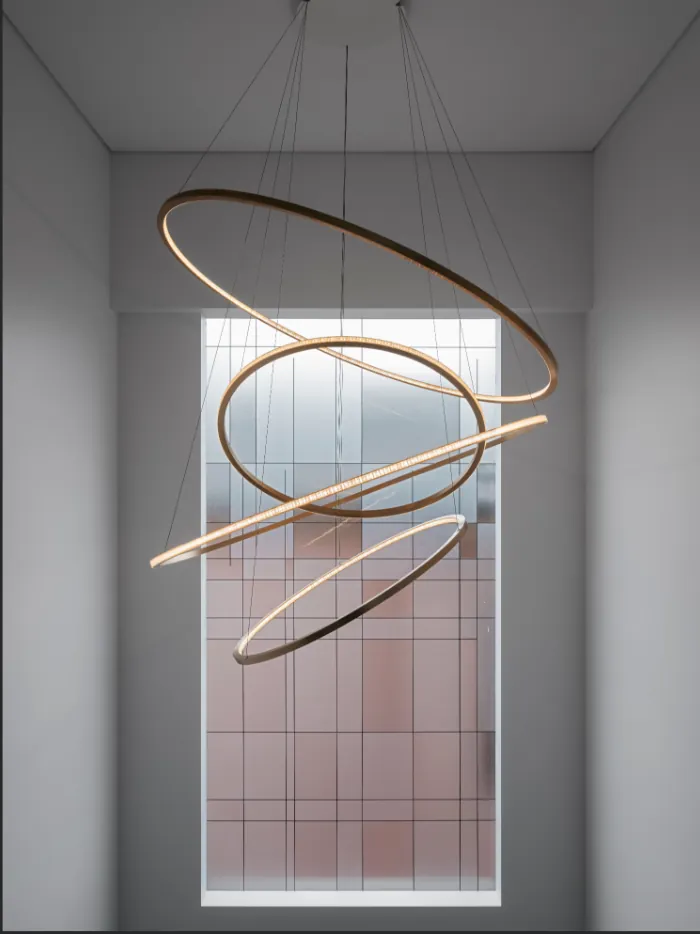
Grid Glass is completely bespoke in linework, metal finish, glass texture and colour. Panels can incorporate cut-outs for hardware and can be specified framed or frameless.
Privacy without separation.
Receiving a brief to deliver discrete and private spaces without resorting to separation, Axolotl selected Grid Glass for The Ghan, Australia’s luxury rail journey between Adelaide, Alice Springs and Darwin. Woods Bagot was looking for something refined, contemporary and bespoke while respecting the timeless elegance of luxury rail travel. A series of prototypes was developed before the final design was customised specifically for The Ghan.
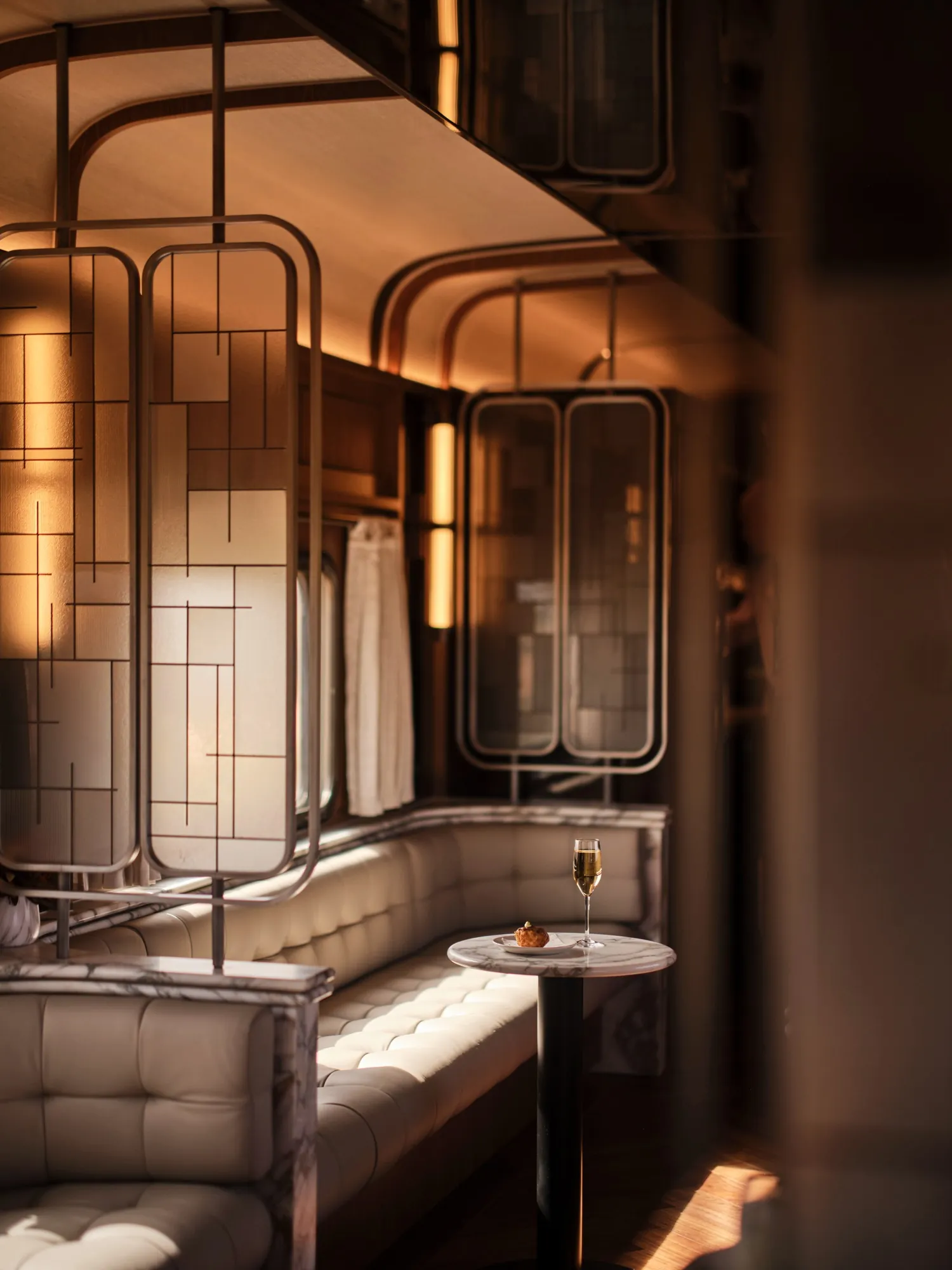
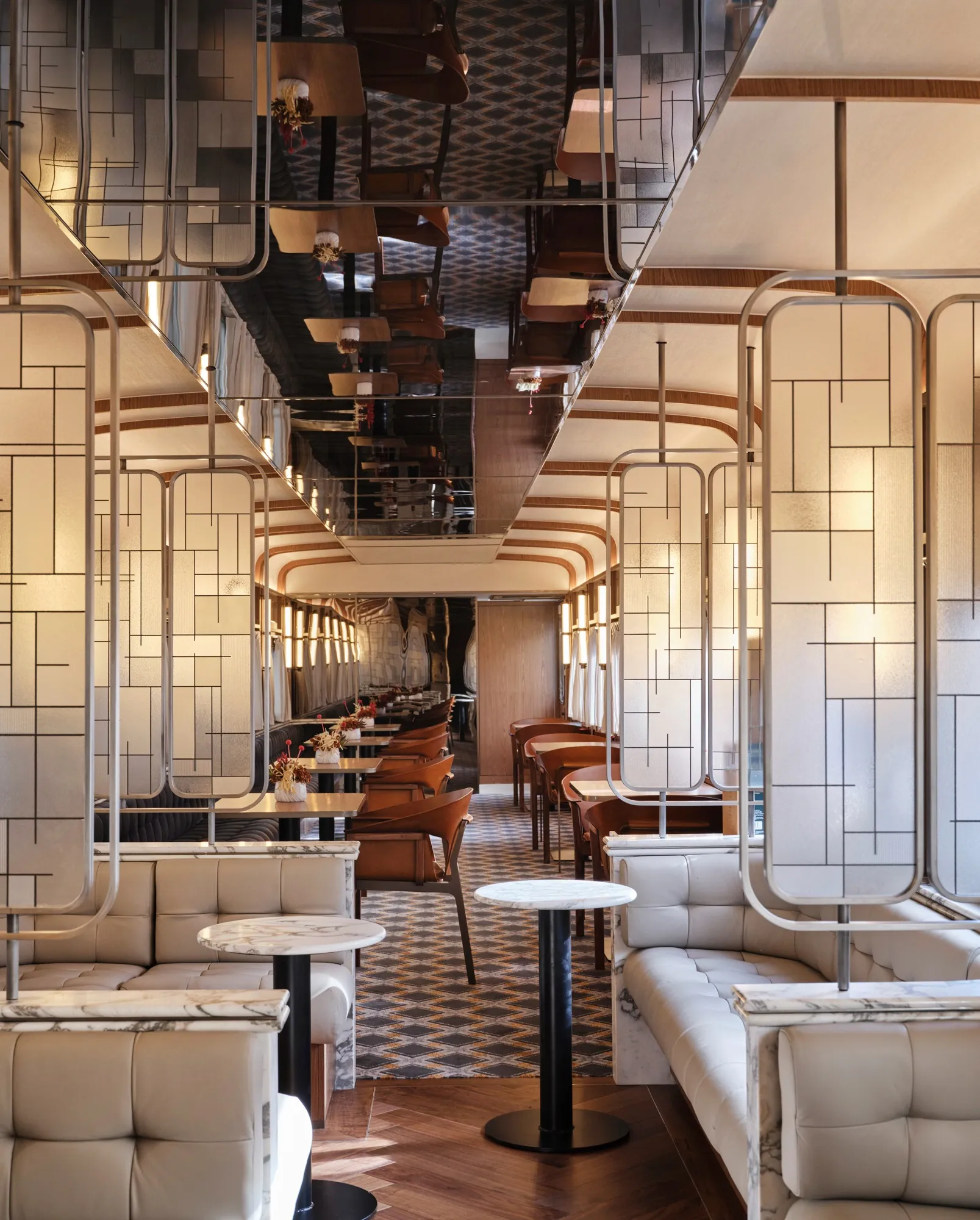
Axolotl was approached by Woods Bagot after they saw our Grid Glass used on another architectural project. They were looking for something that felt refined, contemporary and bespoke, while also respecting the timeless elegance of luxury rail travel. We developed a series of prototypes together before customising the final design specifically for The Ghan. The result is a completely bespoke architectural glass system created exclusively for the train.
The project was a close collaboration between Woods Bagot, Axolotl and specialist metal fabricator Nicholas Fuller. Woods Bagot developed the interior vision and established the design language. Axolotl engineered and manufactured the custom Grid Glass panels, while Nicholas Fuller produced the precision metal framework that surrounds and complements the glass. Every detail was refined to ensure the materials worked together as one integrated architectural element.
Glass was the perfect material because it allows light to become part of the architecture. Unlike solid partitions, Grid Glass creates privacy while still allowing the interior to feel open and connected. For The Ghan the design was simplified using bronze metal inlays within low iron glass, producing something understated yet highly sophisticated.
The inspiration came from the interiors themselves. The Ghan celebrates timeless luxury rather than fashion, so the glass needed to feel equally enduring. The fine bronze grid references classic Art Deco geometry, while the soft texture, subtle translucency and changing reflections create something unmistakably contemporary.
Seeing the completed installation. Once installed, the glass became much more than a partition. It interacts with the lighting, furniture and architecture to create atmosphere throughout the carriage. That is exactly what it was designed to do.
The brief was to create privacy without creating separation. The glass needed to subtly define spaces while maintaining openness, light and connection throughout the carriage. It also needed to reinforce the luxurious, contemporary interpretation of Art Deco that runs throughout the interior. Rather than simply supplying decorative glass, we created an architectural material that actively contributes to the atmosphere of the space.
Grid Glass combines several proprietary manufacturing techniques within a single product, including kiln forming, precision metal inlay, engraving, frosting and, where required, 3D printed detailing and coloured glass elements. Because each panel is individually manufactured, every aspect can be customised to suit the architecture.
Absolutely. Numerous prototypes were produced to perfect the spacing of the metal grid, the surface texture, transparency and overall visual balance. The final product appears effortless, but achieving that simplicity required considerable technical development.
Grid Glass is not created through a single manufacturing process. Each panel moves through multiple specialist departments, including kiln forming, metal inlay, engraving, frosting and finishing. Every stage has to be completed with absolute precision because even the smallest variation can affect the finished result.
Exceptionally well. There have been no issues since installation, which is particularly gratifying given the complexity of the product. The project demonstrates that highly customised architectural glass can be both visually striking and robust enough for demanding commercial environments.
For samples, design development, technical information or project pricing, contact the Axolotl team.